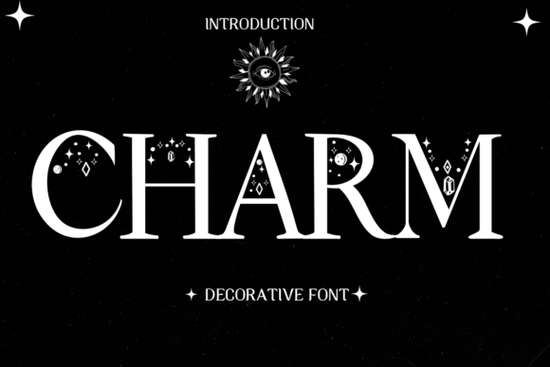
Which projects benefit most from high-contrast mystical lettering?
Not every decorative typeface translates well to physical products or digital storefronts. Charm Font works best when your design relies on visual storytelling rather than heavy blocks of text. Event planners often use it for wedding suites, workshop flyers, and spiritual retreat invitations. Crafters pair it with minimalist backgrounds, while print-on-demand sellers apply it to journal covers, tarot decks, and apothecary packaging. If you are experimenting with layered typography, this typeface pairs smoothly with clean sans serifs. You can find more pairing ideas by exploring our typography pairing resource, which breaks down spacing rules and hierarchy techniques for beginners. Keeping line lengths short ensures the ornamental details remain legible across different mediums.
What makes the celestial details work without overwhelming a layout?
The secret lies in how the stars, crystals, and moon motifs integrate directly into the character set. Instead of hunting for external icons, these accents sit naturally along swashes and terminals. Designers who work with metaphysical brands appreciate that the ornamentation stays consistent across uppercase and lowercase sets. When you adjust kerning manually, the high-contrast strokes maintain their shape without breaking on digital screens. For print projects, setting the type at fourteen points or larger on matte finishes produces the crispest results. Avoid stacking these letterforms tightly, since the open counters and sweeping tails require visual breathing room.
How should small businesses test decorative fonts before final production?
- Print a proof at actual size to check stroke clarity on your chosen paper stock.
- Run a mobile preview to ensure the celestial glyphs scale cleanly on product thumbnails.
- Test contrast ratios by placing the type over light and dark backgrounds.
- Review licensing terms before using the design for commercial merchandise or client work.
Testing early saves costly revisions, especially for cut files used in vinyl crafting or laser engraving. Simplifying the design file before exporting reduces jagged edges on delicate curves. You can browse additional mystical type options using this Charm Font search page, but always preview how alternate glyphs behave in your specific layout before committing. Keeping backups of your spacing settings makes it easier to adjust for different product formats later.
What is the fastest way to apply this typeface correctly?
Begin by setting a short headline and letting the natural rhythm of the swashes dictate your spacing. Use the standard characters for supporting text, and reserve the ornamental alternates for drop caps or section breaks. Save your kerning presets so you do not rebuild your baseline grid each time. If you need to compare similar styles, visit this curated selection page to see how different decorative serifs handle negative space. Consistency across shop graphics builds brand recognition, and a well-chosen typeface accomplishes this without extra embellishment.
Next steps for your current design workflow:
- Install the font files in your preferred design software.
- Create a test artboard using your exact print dimensions.
- Type a short headline, apply the decorative alternates, and adjust tracking to match your layout grid.
- Export a preview and view it on both desktop and mobile screens.
- Once readability holds, apply the style to your full design set and prepare the files for production.
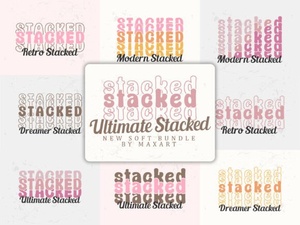 Stacked Fonts: Creative Design Ideas for Web Projects
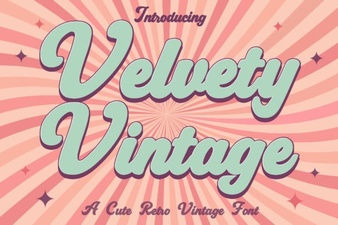 Craft Vintage Charm with Velvety Fonts
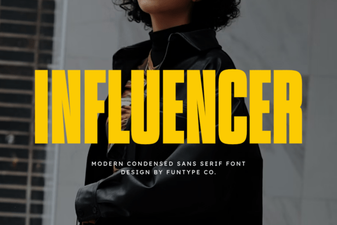 Free Download: Creative Influencer Fonts for Social Media
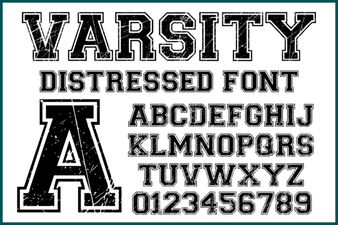 Distressed Fonts for Bold Design Projects
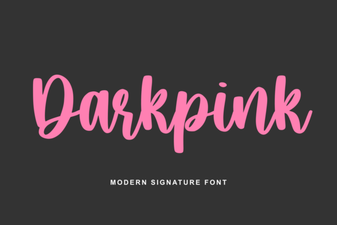 Embrace Drama with Darkpink Font Design Projects
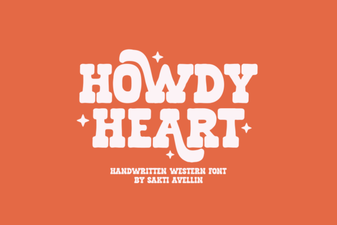 Howdy Heart Font for Design Projects