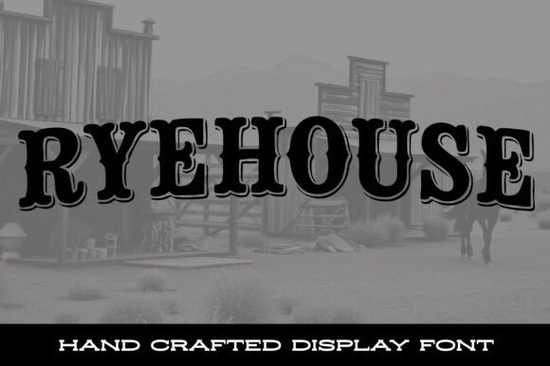
If you are looking for a typeface that instantly brings a rustic, frontier feel to your projects, the Ryehouse Font is a fantastic choice. This bold, hand-drawn Western display font captures the exact vibe of a dusty saloon or a vintage whiskey label. Instead of looking perfectly polished, each letter feels stamped and weathered, giving your designs an authentic, lived-in charm right from the start.
What makes a Western display typeface look authentic?
A truly convincing rustic typeface relies on subtle imperfections. When letters look too clean, they lose that historical feel. This specific font uses thick lines, rough edges, and organic curves to mimic the look of aged woodblock printing or hand-painted storefront signs. The texture feels pressed into aged oak, which is exactly what gives it that genuine frontier character. If you enjoy the textured look of a brushed display typeface, this fits right into your collection of gritty, tactile options.
Where should I use a weathered vintage style?
Because of its heavy visual weight, this typeface works best for short, impactful text. It is perfect for main headings on posters, rustic signage, and product packaging. Think about event flyers for country music festivals, menus for diners, or even labels for homemade jams and hot sauces. The distressed edges make it look like a physical object that has been around for decades.
Print-on-demand sellers will find it especially useful for t-shirt graphics, coffee mug designs, and canvas prints that need a strong focal point. It also adapts well to different themes. For instance, it works beautifully for a rustic brewery label, or even a spooky Halloween project if you pair it with something like a dark horror typeface for the body text. For a friendlier, more inviting rustic vibe, you could mix it with a welcoming script style to soften the overall look.
How do I pair this with other typography?
Pairing heavy, decorative letters requires a bit of contrast. Since the main title takes up so much visual space, your secondary text needs to be clean and highly readable. A simple, geometric sans-serif or a traditional serif works best for paragraphs and subheadings. Avoid using another heavy or decorative font for your subheadings, as this will create visual competition and make the design feel overwhelming.
When you need a clean, structured contrast for your subheadings, an academic block outline can provide the perfect balance without stealing the spotlight. The key is to let the main Western font do the heavy lifting while the supporting typography keeps the layout grounded and easy to read.
Is it easy to use for small business branding?
Yes, because it carries a very specific mood, it helps small businesses communicate their vibe immediately. You do not need complex illustrations to tell your audience what your brand is about; the typography does the work for you. You can also use it to create custom stamps, wax seal designs, or digital stickers for planners. The organic curves ensure it doesn't look rigid or overly corporate, which is perfect for handmade goods.
Brand flexibility is also important. If you are designing a seasonal promotion, you can easily swap it out for a magical autumn typeface when the seasons change, keeping your brand relevant while maintaining a handcrafted aesthetic.
Quick Checklist for Using Heavy Display Fonts
- Keep it short: Use it for headlines, logos, or single words rather than long paragraphs.
- Check the spacing: Heavy letters with rough edges can look cluttered if tracked too tightly. Give them room to breathe.
- Mind the background: Weathered textures can get lost on busy backgrounds. Use solid colors or subtle paper textures to let the letters stand out.
- Balance the layout: Pair the bold main text with a lightweight, simple font for your body copy to maintain readability.
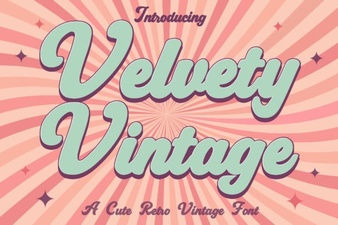 Craft Vintage Charm with Velvety Fonts
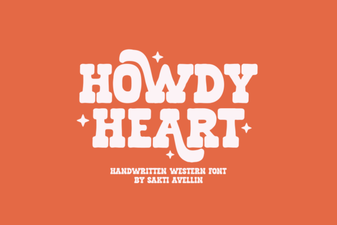 Howdy Heart Font for Design Projects
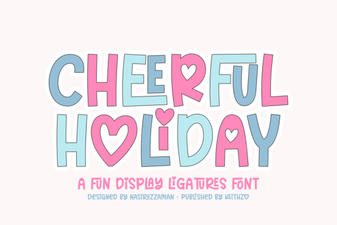 Joyful Holiday Font Designs for Creative Projects
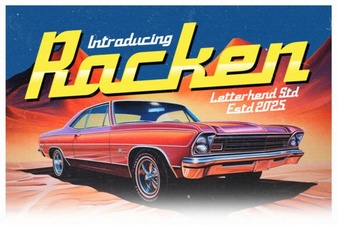 Racken Font: Bold Designs for Creative Projects
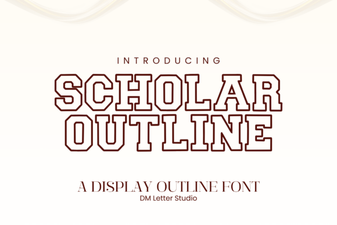 Outline Fonts for Scholarly Projects & Creative Designs
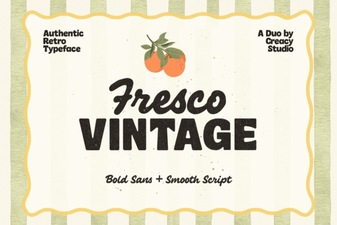 The Fresco Vintage Duo Font for Classic and Modern Designs