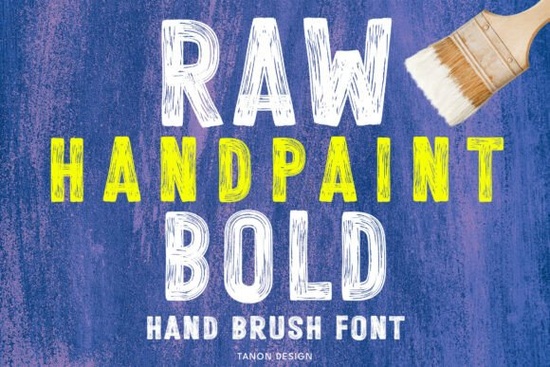
If you need a condensed brush typeface that keeps a handcrafted feel while staying highly readable on merchandise, the Raw Hand Paint Bold Font delivers exactly that. It bridges the gap between organic marker strokes and commercial usability. Instead of fading on busy apparel or ceramic surfaces, the thick weight and tight letter spacing hold up well at standard print sizes. Small shops and creative hobbyists often choose this style when they need a standout title without relying on heavy drop shadows or extra graphic layers.
Why does a condensed brush weight perform better on apparel and mugs?
Print-on-demand workflows require type that scales cleanly across different materials. When a brush family is condensed, it uses less horizontal space, which means longer shop names fit neatly inside standard chest templates. The bold stroke weight ensures letters survive screen printing halftones and direct-to-garment ink absorption without looking washed out. Condensed handwritten brushes create strong visual contrast against textured fabrics, making them a reliable choice for daily wear and gift items. You can review the official files on the designer page to confirm the available character set before starting.
If your current layout needs extra spacing for layered elements, compare this style with other display options. For example, Scholar Block Outline works well when you need sharp, geometric contrast to balance softer script elements. The thick-to-thin variation in brush lettering can sometimes overwhelm busy layouts, so pairing it with a cleaner secondary typeface keeps the design readable. Many sellers test three to five font combinations before finalizing a product mockup.
Which digital products benefit most from hand-painted lettering?
The versatility of this brush style extends far beyond physical printing. Crafters and digital planners frequently use condensed handwriting for custom card fronts, sticker sheets, and social media quote graphics. Because the strokes mimic natural marker pressure, the typography adds a personal touch to automated templates. When you export files for sublimation or vinyl cutting, remember that brush edges may include tiny transparent gaps. Using a solid background layer or adding a subtle stroke in your software helps maintain crisp lines during production.
Vintage and seasonal collections often pair well with this aesthetic. A distressed layout looks more cohesive when combined with Fresco Vintage Duo for a layered feel. For outdoor gear, Racken provides a utilitarian alternative with similar weight. Choosing the right companion typeface depends entirely on your collection mood, but sticking to two or three font families per design keeps files lightweight and production-ready.
How do you prepare brush typography for vinyl and laser cutters?
Many hobbyists run into alignment issues when sending hand-painted type to cutting plotters. Brush fonts contain overlapping paths and irregular terminals that machines sometimes misread. To avoid jagged cuts or wasted material, always convert your text to outlines before importing it into software like Cricut Design Space or Silhouette Studio. Increase the letter spacing slightly if characters overlap too much, and use the weld tool to merge connected strokes into a single vector path. Testing a small cut on scrap vinyl saves time and prevents costly errors during full production runs.
What licensing and formatting details should small shops track?
Commercial licensing rules vary between designers, so verify usage terms before uploading. Most licenses cover physical goods, while template resale requires extended coverage. Track where each file is installed and whether you hold commercial rights. If you need a darker seasonal tone, Midnight Creepy offers a thematic alternative. For direct access to assets, you can view Raw Hand Paint Bold on the marketplace.
Quick setup checklist before your first print run
- Convert text to outlines to prevent substitution errors on commercial print machines.
- Check contrast by placing the type on both light and dark material mockups.
- Set minimum text size to fourteen points for mugs and eighteen points for shirts.
- Export as a transparent PNG or high-resolution SVG for digital cutters.
- Verify your license covers the specific platform where you plan to list the item.
Start with a single product mockup using a high-resolution preview file. Print it on your actual blank stock to see how the brush texture interacts with the material finish, then adjust spacing or opacity before scaling up to a full inventory batch.
Learn More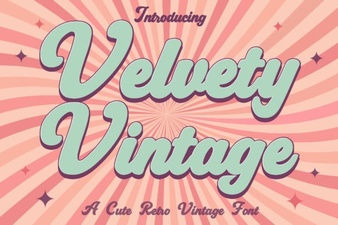 Craft Vintage Charm with Velvety Fonts
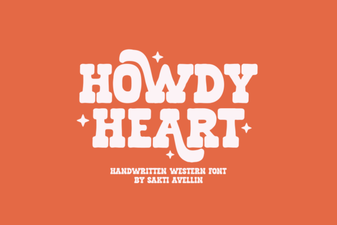 Howdy Heart Font for Design Projects
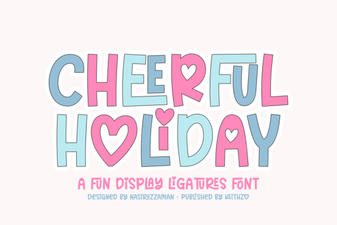 Joyful Holiday Font Designs for Creative Projects
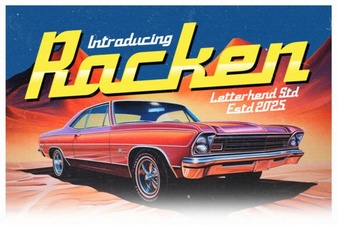 Racken Font: Bold Designs for Creative Projects
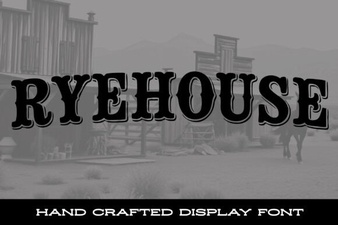 Craft Projects with the Ryehouse Font
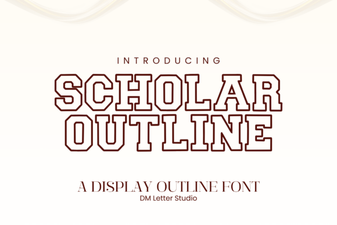 Outline Fonts for Scholarly Projects & Creative Designs