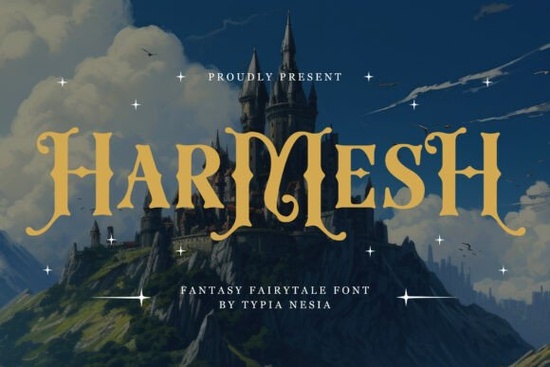
What kind of projects work best with an ornate fantasy typeface?
Designers and independent sellers look for faces that carry a clear mood while staying readable at different scales. Because this style features strong serifs and decorative swashes, it performs well on titles, logos, and short headings. It shines on craft branding, merchandise tags, and posters where space is limited but visual impact matters. Many print-on-demand sellers use display typefaces like this to create cohesive collections for journals, tote bags, and home decor items. Pair it with a clean, highly legible body font so readers can focus on the headline without eye strain. Testing your layout at actual print size helps you catch readability issues before mass production.
How do you access the decorative ligatures and alternate letters?
Modern font files are built to save time, and this release follows that standard. The typeface is PUA-encoded, meaning every swash, ligature, and variation maps directly to your software’s glyph panel. You do not need complex shortcuts or third-party mapping tools. Open your design program, access the OpenType menu, and scroll through the available alternates. Swapping a standard capital H for a decorative version instantly shifts a title layout. This control works smoothly across Adobe Illustrator, Affinity Designer, and popular browser-based editors. It helps you customize projects while keeping files organized for future client requests.
Which other serif options complement this style?
Strong typography systems mix a decorative headline with a readable text face. If you need complementary options, classic serif collections provide reliable structure for longer passages. Compare how refined book faces handle spacing, since x-height directly affects print readability. For mystical or vintage craft shops, thematic display options offer similar mood-setting qualities. Keep your primary project bookmarked via your main font page so license updates and new alternates are easy to locate. Limiting your palette to three faces maximum prevents visual clutter on busy product images.
What should you keep in mind when preparing files for print and digital sales?
Preparing typography-heavy designs for production requires attention to resolution, color profiles, and file formatting. Always convert text to outlines before sending files to commercial printers, especially when decorative swashes might shift if the receiving system lacks the original typeface. Check your software’s kerning settings to adjust tight or loose spacing around punctuation. Convert RGB artwork to CMYK before final export to avoid unexpected color shifts on physical products. You can reference Harmesh for technical specs that align with industry standards. Clear licensing documentation protects your work on third-party marketplaces and prevents accidental copyright disputes.
How do you test your layouts before going live?
Consistency builds recognition, and testing ensures your typography survives real-world viewing conditions. View your mockups on both calibrated monitors and mobile devices to check for rendering differences. Zoom out to thumbnail size, which mimics how buyers will see your items in search results. If the swashes disappear or letters blend together at small scales, increase tracking or simplify the alternate characters. Print a single proof on the exact material you plan to use, since paper texture changes how ink absorbs into serif edges. These small checks prevent costly revisions after a product listing launches.
Final export checklist:
- Verify all OpenType swashes render correctly in previews.
- Adjust tracking to prevent crowded letters on small tags.
- Save a layered master file alongside a print-ready version.
- Confirm commercial terms for physical and digital goods.
- Test typography on mobile screens before publishing.
Review these steps before launching your next listing. Proper preparation keeps your workflow smooth and ensures customers receive polished results every time.
Learn More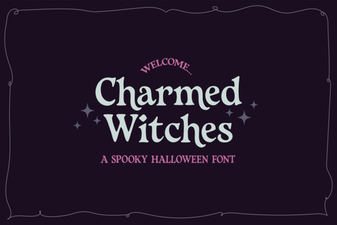 Charmed Witches Font for Magical Designs
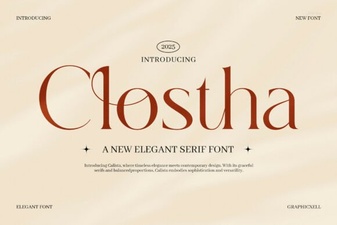 Clostha Font: Modern Sans-Serif for Design Projects
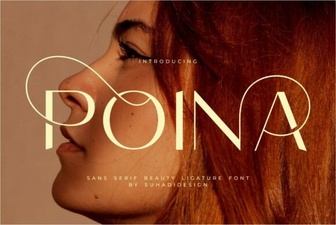 Poina Font: Creative Design Ideas for Your Projects
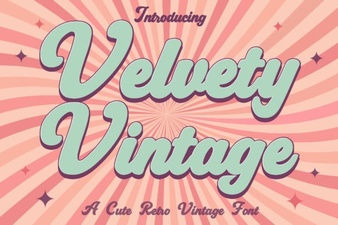 Craft Vintage Charm with Velvety Fonts
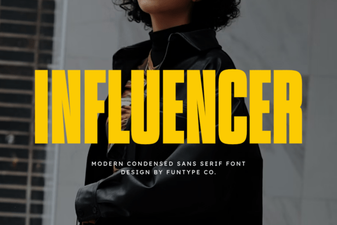 Free Download: Creative Influencer Fonts for Social Media
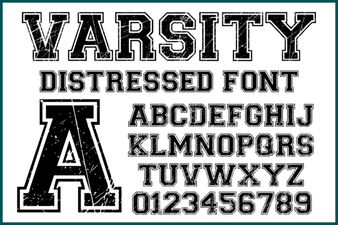 Distressed Fonts for Bold Design Projects